
Remet CNC wood chipper R120 PTO with 2.3m conveyor belt


€2,092.44
Accessories / Spare parts

Available, delivery time: 2-5 days

Available, delivery time: 1-3 days
Available, delivery time: 1-3 days

Available, delivery time: 1-3 days


Available, delivery time: 2-5 days
Remet CNC wood chipper R120 PTO with 2.3m conveyor belt
Scope of Delivery
- 1 × REMET CNC roller wood chipper with PTO drive
- Cutting mechanism with 6 blades
- Folding conveyor belt, 2.3 m
- Operating manual with CE conformity
Available as options:
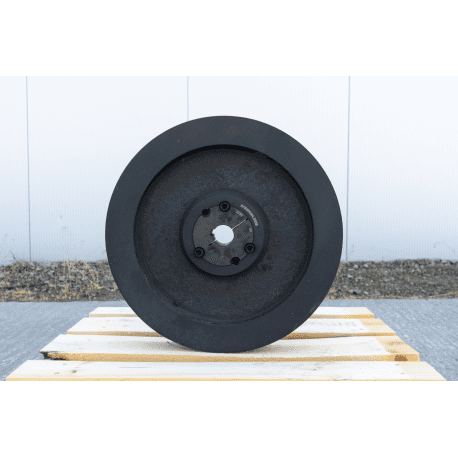
- Flywheel or drive pulley
- Double sack holder
Technical Data
| Feature | Value |
|---|---|
| Manufacturer | REMET CNC Technology |
| Product type | Roller wood chipper with conveyor, PTO driven |
| Conveyor belt | folding, 2.3 m |
| Belt mounting | parallel or perpendicular to the machine |
| Minimum power | 25 HP |
| Recommended power | 35 HP |
| Max. cutting diameter, fresh softwood | 110 mm |
| Max. cutting diameter, fresh hardwood | 100 mm |
| Max. cutting diameter, dry hardwood | 90 mm |
| Number of blades | 6 |
| Chip length | 5 – 10 cm |
| Blade thickness | 10 mm |
| Feed hopper | 62 × 38 cm |
| Cutting mechanism | CNC-machined, coaxial gearbox |
| Coupling | Tension coupling with blade adjustment and overload protection |
| Construction | Welded, fully dismantlable |
Product Information
Roller wood chipper from REMET CNC with conveyor belt – chips delivered exactly where they are needed
Anyone who has chipped without a conveyor knows the basic problem: the chips pile up in front of the machine. Before long the heap reaches the discharge, the chipper has to be stopped and the pile shovelled away – or the machine repositioned.
The conveyor belt solves precisely this – it is the component that makes a continuous workflow possible in the first place.
2.3 metres of conveyor – the real productivity gain
At 2.3 metres in length, the belt throws the chips at a distance and at height. In practice this means:
Straight onto the trailer. The chips end up where they belong – no intermediate pile, no second loading operation with shovel or front loader. On one cubic metre of chips this saves several minutes; over a working day it adds up to hours.
Higher heaps. The belt discharges beyond the edge, so a pile can be built up rather than spreading out flat. With limited storage space this is decisive.
Continuous operation. No interruptions for clearing. Working in pairs, one person can feed while the material is removed automatically.
Into bunker or silo. With permanently installed chip heating systems, the material can be conveyed directly into the storage container.
Parallel or perpendicular – adapting to the working situation
The conveyor can be mounted parallel or perpendicular to the machine. This is not a detail – it determines how you work:
Perpendicular (sideways) – the trailer stands beside the tractor and chipper. This is the most common arrangement when working at a roadside or in the yard.
Parallel (rearwards) – the trailer is towed behind the chipper, or the material is thrown onto a pile behind the machine. Useful in confined conditions, in row crops, or where there is no space to the side.
The choice can be adapted to each site – an advantage over fixed discharge systems.
Folding – for transport and storage
The belt folds away. Folded, the machine remains compact: road transport, passing through gateways, parking in the shed – all without regard to a bulky attachment.
This is where permanently mounted conveyors take their revenge in daily use: they are always in the way.
PTO drive – powerful and low-maintenance
Driven by the tractor PTO: no second engine, no fuel, no separate oil change. A 35 HP tractor delivers constant power at the PTO – petrol engines in this machine class typically offer 13 to 15 HP. The difference shows immediately in cutting diameter.
25 HP is sufficient; 35 HP is recommended – with this reserve the machine works through heavy branch material without any drop in speed.
Roller chipper instead of disc chipper
A roller chipper works with counter-rotating blade shafts that draw in and shred the material: self-feeding, uniform chips, considerably lower power requirement at the same diameter, and a more compact design.
110 / 100 / 90 mm – reading the three figures correctly
| Material | Max. diameter |
|---|---|
| Fresh softwood | 110 mm |
| Fresh hardwood | 100 mm |
| Dry hardwood | 90 mm |
Fresh wood is softer and easier to cut than dry wood. Practical tip: process branch material while fresh – this protects the blades, increases throughput and extends the workable diameter.
6 blades for chips of 5 to 10 cm
The 6-blade configuration (3 per shaft) produces chips 5 to 10 cm long. More blades mean shorter material; versions with 4 blades deliver 8 to 15 cm.
Chip heating systems require defined sizes – material that is too long blocks feed augers. Check the heating manufacturer's specification. For mulch the material may be coarser; for bedding and compost shorter material is preferable.
10 mm blade thickness – the service life factor
Thick blades can be resharpened several times before replacement. For a wear part in continuous use, this is a direct cost factor across the machine's service life.
Tension coupling – blade adjustment and overload protection
The tension coupling serves two purposes: it permits blade adjustment – indispensable after resharpening – and prevents damage through overload. Should an oversized branch, a stone or a metal part enter the rollers, the coupling slips rather than allowing damage to shafts, gearbox or PTO.
A slipping clutch means a brief work stoppage; a broken gearbox means a repair job.
Feed hopper 62 × 38 cm
Over half a metre of feed width means branched material does not need pre-trimming. This is where working time is actually decided – not in the chipping performance itself, but in preparing the material.
CNC-machined cutting mechanism
Precision manufacturing on CNC machining centres ensures coaxial alignment of the gearbox. A misaligned gearbox creates constraining forces in bearings and shafts – the machine runs unevenly, becomes noisy, and bearings wear prematurely. Precision therefore translates directly into service life.
Welded, fully dismantlable construction
Rigidity in operation, accessibility for maintenance: changing blades, replacing bearings, servicing the gearbox – all reachable without cutting or welding. Decisive for spare parts supply across decades.
Further accessories
Flywheel or drive pulley – the flywheel stores energy and helps bridge load peaks; noticeable with borderline branch material or a smaller tractor.
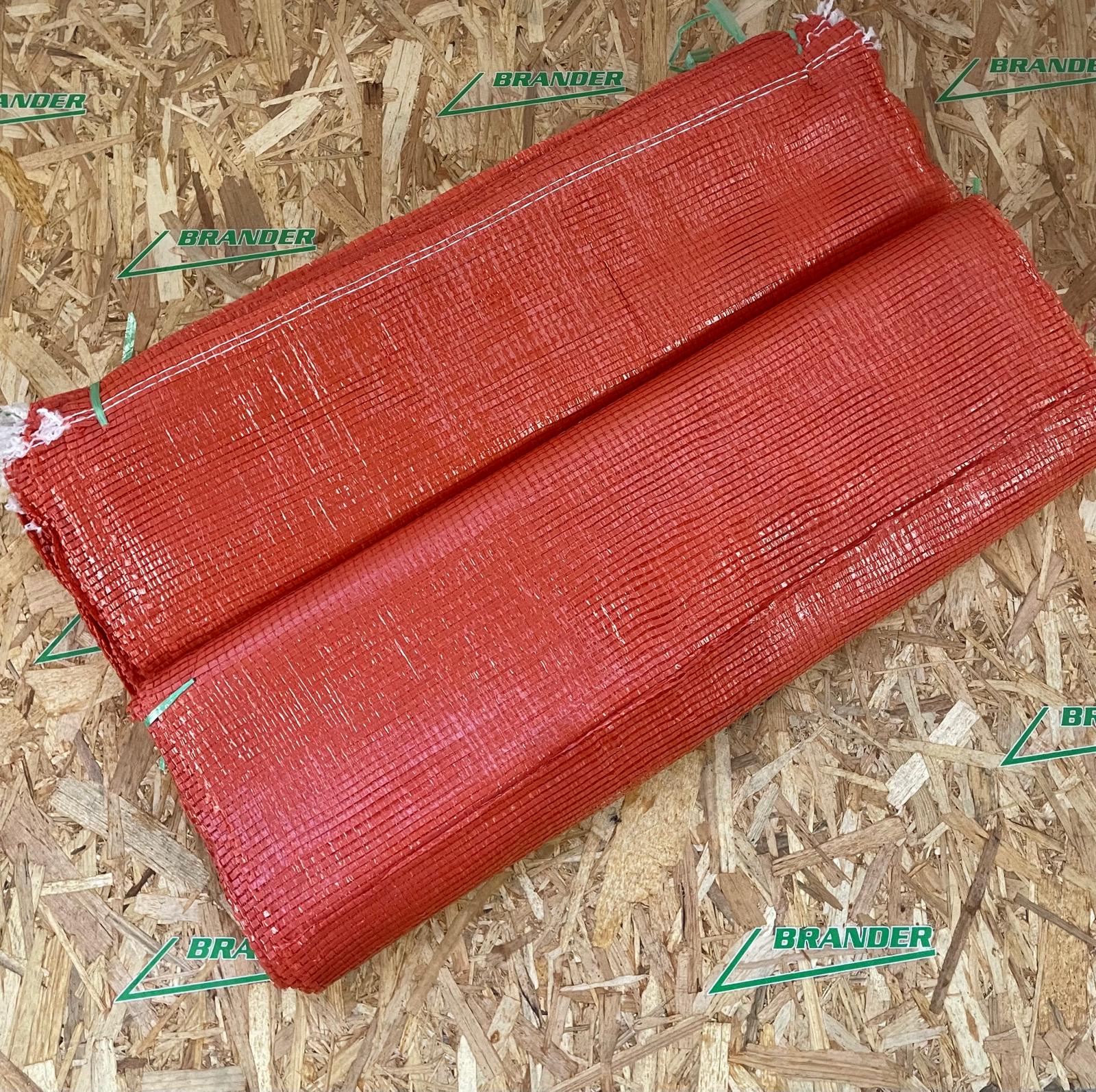
Double sack holder – an alternative to the conveyor for direct bagging.
Points to observe
Only intervene when the machine is stationary. Before maintenance, blade changes and fault clearance, switch off the PTO, stop the engine and wait for the rollers to come to a standstill.
Additionally for the conveyor: do not reach into the running belt area; watch for crushing points when folding and unfolding, and keep the swing area clear.
Personal protective equipment: hearing protection, safety glasses, gloves and close-fitting clothing. No gauntlet gloves or loose garments that could be drawn in.
Avoid foreign objects: stones, wire, nails and metal parts damage the blades and can be ejected.
As power-driven work equipment, chippers are subject to requirements regarding protective devices and recurring inspection under the applicable national regulations.
Typical Applications
Agriculture and forestry, tree and landscape care, garden and landscape construction, tree nurseries and horticultural businesses, fruit growing and viticulture (vine and tree pruning), municipal depots and parks departments, cemetery and park maintenance, wood chip production for heating systems, contract chipping services, mulch production, compost and substrate operations, equestrian facilities (bedding).
Frequently Asked Questions
What does the conveyor belt achieve?
It transports the chips directly onto a trailer, into a bunker or onto a built-up pile – no intermediate heap, no second loading operation. This is the machine's biggest productivity gain.
How long is the conveyor belt?
2.3 metres, folding.
Can I choose the discharge direction?
Yes. The belt can be mounted parallel or perpendicular to the machine – side discharge onto an adjacent trailer, or rearward discharge in confined conditions.
Why does folding matter?
Because the machine stays compact when folded: road transport, gateways and shed parking all work without a bulky attachment.
How much tractor power do I need?
At least 25 HP, 35 HP recommended.
What diameter can the chipper handle?
Fresh softwood up to 110 mm, fresh hardwood up to 100 mm, dry hardwood up to 90 mm.
How long are the chips?
5 to 10 cm with the 6-blade configuration. Versions with 4 blades deliver 8 to 15 cm.
Are the chips suitable for my chip heating system?
5 to 10 cm falls within the usable range for many systems – check the heating manufacturer's specification.
What does the tension coupling do?
It permits blade adjustment and protects against damage through overload: in case of a blockage it slips rather than allowing damage to gearbox or PTO.
Can the blades be resharpened?
Yes, the 10 mm thickness allows repeated resharpening. The blades are then readjusted via the tension coupling.
How large is the feed opening?
62 × 38 cm – branched material does not need pre-trimming.
Do I still need a sack holder with the conveyor?
Only if chips are to be bagged. Conveyor and sack holder are alternative discharge solutions.
What safety points apply to the conveyor?
Do not reach into the running belt area, watch for crushing points when folding and unfolding, and keep the swing area clear.
| drive: | PTO |
|---|