
Remet CNC wood chipper R120 PTO shaft - up to 120mm branch diameter


€1,000.00
Available, delivery time: 2-5 days
Accessories / Spare parts

Available, delivery time: 2-5 days

Available, delivery time: 1-3 days

Available, delivery time: 1-3 days

Available, delivery time: 2-5 days
Available, delivery time: 2-5 days
Remet CNC wood chipper R120 PTO shaft - up to 120mm branch diameter
Scope of Delivery
- 1 × REMET CNC roller wood chipper with PTO drive
- Cutting mechanism with 6 blades
- Operating manual with CE conformity
Available as options:
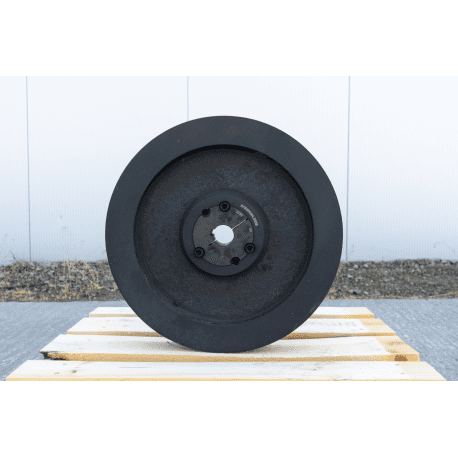
- Flywheel or drive pulley
- Folding conveyor belt 2.3 m (mountable parallel or perpendicular)
- Double sack holder
Technical Data
| Feature | Value |
|---|---|
| Manufacturer | REMET CNC Technology |
| Product type | Roller wood chipper, PTO driven |
| Minimum power | 25 HP |
| Recommended power | 35 HP |
| Max. cutting diameter, fresh softwood | 110 mm |
| Max. cutting diameter, fresh hardwood | 100 mm |
| Max. cutting diameter, dry hardwood | 90 mm |
| Number of blades | 6 |
| Chip length | 5 – 10 cm |
| Blade thickness | 10 mm |
| Feed hopper | 62 × 38 cm |
| Cutting mechanism | CNC-machined, coaxial gearbox |
| Coupling | Tension coupling with blade adjustment and overload protection |
| Construction | Welded, fully dismantlable |
| Weight | 170 kg |
Product Information
Roller wood chipper from REMET CNC – turning branch material into fuel
Every property, forest and tree nursery produces the same thing: branch material too thin to split and too bulky to store. Burning is prohibited in many places, hauling it away costs time and fees.
This roller chipper converts exactly this material into usable wood chips – fuel for chip heating systems, mulch for beds and paths, or bedding material.
PTO drive – powerful and low-maintenance
The machine is driven by the tractor PTO. Compared with petrol or electric versions, this offers three concrete advantages:
No second engine. No carburettor gumming up during downtime, no fuel, no oil change on a drive motor. The tractor is there anyway – and maintained anyway.
Considerably more power. A 35 HP tractor delivers constant power at the PTO. Petrol engines in this machine class typically offer 13 to 15 HP – and the difference shows immediately in cutting diameter: where a petrol version stops at 80 mm, the PTO chipper works up to 110 mm.
Mobility without limits. In the forest, at the field edge, in the yard – wherever the tractor goes, the chipper is ready. No mains connection required.
25 HP is enough
The minimum power requirement of 25 HP makes the chipper usable with smaller tractors, narrow-track machines and municipal vehicles. 35 HP is recommended – with this reserve the machine works through heavy branch material without any drop in speed.
For operations without a large tractor, this is decisive: the existing compact tractor is sufficient.
Roller chipper instead of disc chipper – the design difference
A disc chipper ejects material at high speed – it requires substantial drive power and flywheel mass and tends to produce longer, fibrous material.
A roller chipper works with counter-rotating blade shafts that draw in and shred the material. The advantages:
- Self-feeding – material is pulled in rather than having to be pushed
- Uniform chips of defined length
- Considerably lower power requirement at the same diameter
- More compact design and lower weight
110 / 100 / 90 mm – reading the three figures correctly
REMET deliberately states diameters differentiated by material condition:
| Material | Max. diameter |
|---|---|
| Fresh softwood | 110 mm |
| Fresh hardwood | 100 mm |
| Dry hardwood | 90 mm |
This is more honest than a single maximum figure. Fresh wood is softer and easier to cut than dry wood – chipping seasoned oak in winter means working to different limits than fresh willow cuttings.
Practical tip: Process branch material while fresh. This protects the blades, increases throughput and extends the workable diameter.
6 blades for chips of 5 to 10 cm
The configuration with 6 blades (3 per shaft) produces chips 5 to 10 cm long.
The relationship: more blades mean shorter chips. Versions with 4 blades deliver longer material of 8 to 15 cm.
Which length is right depends on the intended use:
- Chip heating systems require defined sizes – material that is too long blocks feed augers. The 5–10 cm range is usable for many systems; check the heating manufacturer's specification.
- Mulch material may be coarser – here the covered area matters
- Bedding and compost benefit from shorter material, which decomposes faster
10 mm blade thickness – the service life factor
One centimetre of blade thickness is a solid value. The practical meaning: thick blades can be resharpened several times before replacement becomes necessary.
For a wear part regularly reworked in continuous operation, this is a direct cost factor across the machine's service life.
Tension coupling – blade adjustment and overload protection in one
The cutting mechanism features a tension coupling with two functions:
Blade adjustment. The blade clearance can be set – essential because blades wear during operation and must be repositioned after resharpening. Without adjustment, a resharpened blade would be worthless.
Prevention of damage through overload. Should an oversized branch, a stone or a metal part enter the rollers, the coupling slips rather than allowing damage to shafts, gearbox or PTO.
This is the decisive component protection: a slipping clutch means a brief work stoppage, a broken gearbox means a repair job.
Feed hopper 62 × 38 cm – the practical size
Over half a metre of feed width means in practice: branched material does not have to be pre-trimmed. A whole branch section with side shoots can be fed in rather than being cut to size first.
This is where working time is actually decided – not in the chipping performance itself, but in preparing the material.
CNC-machined cutting mechanism
The cutting mechanism is precisely manufactured on CNC machining centres – ensuring quality, accuracy and coaxial alignment of the gearbox.
Why this matters: a gearbox that is not precisely aligned creates constraining forces in bearings and shafts. The machine runs unevenly, becomes noisy, and bearings wear prematurely. Precision manufacturing therefore translates directly into service life.
Welded, fully dismantlable construction
The construction is welded and provides rigidity and stability – while being fully dismantlable.
This sounds contradictory but is the essence of good machine design: rigidity in operation, accessibility for maintenance. Changing blades, replacing bearings, servicing the gearbox – everything is reachable without cutting or welding.
For spare parts supply across decades, this is decisive.
170 kg – manageable as a one-person machine
The weight allows the machine to be picked up and set down with the three-point linkage without special equipment. At the same time it is heavy enough to stand steadily during operation.
Expandable: flywheel, conveyor belt, sack holder
Flywheel or drive pulley – the flywheel stores energy and helps bridge load peaks. Noticeable with borderline branch material or a smaller tractor.
Folding conveyor belt 2.3 m – discharges chips at a distance, directly onto a trailer, pile or into a bunker. Mountable parallel or perpendicular to the machine.
Double sack holder – for direct bagging. Anyone storing or selling chips in sacks saves the transfer step entirely.
Points to observe
Only intervene when the machine is stationary. Before maintenance, blade changes and fault clearance, switch off the PTO, stop the engine and wait for the rollers to come to a standstill.
Personal protective equipment: hearing protection, safety glasses, gloves and close-fitting clothing. No gauntlet gloves or loose garments that could be drawn in.
Avoid foreign objects. Stones, wire, nails and metal parts damage the blades and can be ejected.
Use a PTO shaft of the correct length and keep all guards fully fitted.
As power-driven work equipment, chippers are subject to requirements regarding protective devices and recurring inspection; the relevant national machinery, work equipment and occupational safety regulations apply.
Typical Applications
Agriculture and forestry, tree and landscape care, garden and landscape construction, tree nurseries and horticultural businesses, fruit growing and viticulture (vine and tree pruning), municipal depots and parks departments, cemetery and park maintenance, wood chip production for heating systems, mulch production, compost and substrate operations, equestrian facilities (bedding), private users with larger properties and a tractor.
Frequently Asked Questions
How much tractor power do I need?
At least 25 HP, 35 HP recommended. With the recommended power the machine works through heavy branch material without any drop in speed.
What diameter can the chipper handle?
Fresh softwood up to 110 mm, fresh hardwood up to 100 mm, dry hardwood up to 90 mm. Fresh wood is easier to cut than dry wood.
Why are three different diameters stated?
Because wood species and moisture condition substantially affect cutting performance. A single maximum figure would be misleading.
How long are the chips?
5 to 10 cm, produced by the 6-blade configuration. Versions with 4 blades deliver longer material of 8 to 15 cm.
Are the chips suitable for my chip heating system?
5 to 10 cm falls within the usable range for many systems. Check the heating manufacturer's specification – material that is too long can block feed augers.
What is the difference to a disc chipper?
A roller chipper works with counter-rotating blade shafts that draw in and shred the material. This produces self-feeding, uniform chips and a considerably lower power requirement at the same diameter.
What does the tension coupling do?
Two things: it allows blade adjustment – essential after resharpening – and protects against damage through overload. In case of a blockage it slips rather than allowing damage to the gearbox or PTO.
Can the blades be resharpened?
Yes. The 10 mm blade thickness allows repeated resharpening. The blades are then readjusted via the tension coupling.
How large is the feed opening?
62 × 38 cm. Branched material therefore does not need pre-trimming – this saves more time in practice than raw chipping performance.
Why is the construction dismantlable?
For maintenance and spare parts supply. Changing blades, replacing bearings, servicing the gearbox – everything is accessible without cutting or welding.
What accessories are available?
Flywheel or drive pulley, a folding 2.3 m conveyor belt (mountable parallel or perpendicular) and a double sack holder for direct bagging.
What is the flywheel for?
It stores energy and helps bridge load peaks – noticeable with borderline branch material or a smaller tractor.
What protective equipment do I need?
Hearing protection, safety glasses, gloves and close-fitting clothing. No gauntlet gloves or loose garments that could be drawn in.
What about foreign objects?
Stones, wire, nails and metal parts damage the blades and can be ejected – inspect material beforehand.
Are there inspection obligations?
As power-driven work equipment, chippers are subject to requirements regarding protective devices and recurring inspection under the applicable national regulations.
| drive: | PTO |
|---|